
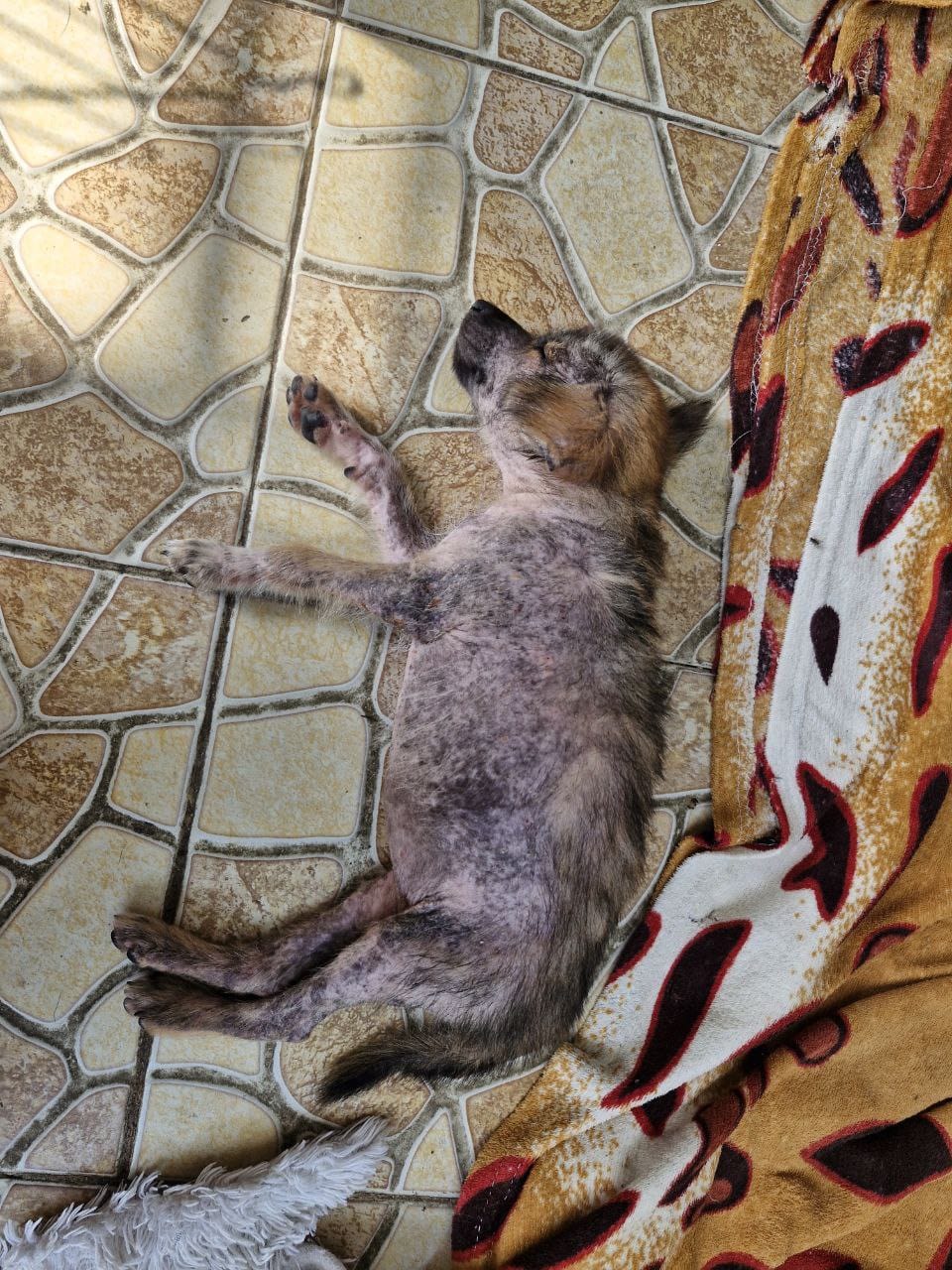
There are good organisations in Bali doing real work, so why does the crisis keep growing? Dog sterilisation Bali cannot scale, because the need is larger than all of them combined, and mass culling has already been proven to fail. Here is what the evidence says, and where one person still fits in.
I want to be honest about the ground we work on, because donors deserve the truth and not a comfortable version of it.

Many areas in Bali do not grant permission for organised sterilisation. In some places the village banjar or the local agriculture office must approve a mass day before it can run, and that approval can take months, if it comes at all. So at times I run free programs quietly and do not post them publicly, simply so the dogs can be reached before the paperwork catches up. In other places, local interests object when a program brings in an affordable outside vet instead of a costly local one. And there is a painful contradiction I meet often. The same communities that complain about dogs once they overpopulate are sometimes the ones who refuse to let them be sterilised. I navigate all of this patiently, because the dogs cannot wait for everyone to agree.
To understand why one person still matters in all of this, it helps to see the size of the problem.
Bali has one of the largest dog populations in Indonesia. Government figures have put it at more than 600,000, with one official 2019 count reaching 647,386, the highest of any province in the country, and more recent estimates cited by national officials reach close to one million. The large majority of these dogs live on the streets or roam freely, with studies estimating somewhere between 80 and 90 percent. Not all of them are homeless. Many are community dogs or loosely owned. But loosely owned or not, they are unsterilised, unvaccinated, and breeding.

And dogs breed fast. A single female can produce two litters a year, and in an unmanaged population the numbers rebound quickly between any effort to help. This is why the problem grows on its own, quietly and constantly, faster than rescue done one dog at a time can keep up with.
There are good organisations in Bali, large, medium, and small, and they do real, serious work. But the scale of the problem is larger than all of them combined. To actually bring a dog population down, the animals in one area have to be sterilised at a high level, commonly cited as around 70 percent, within a short time, and then that level has to be held. The same threshold appears in rabies control. Researchers who studied Bali’s own outbreak found that success depended almost entirely on reaching around 70 percent vaccination coverage across the population. Scattered clinic days, a few dozen dogs here and there across the whole island, never reach that level in any single place. The dogs that are missed simply breed the numbers back.
The programs are also limited in reach, out of necessity. Many help only local Bali dogs and not mixed or western breeds. Many require written government or village permission before a mass day can run. Many are clustered around Ubud and the south, near where they are based. And many depend on owners bringing their dogs in, or on a village welcoming the program. Every one of these limits leaves dogs behind: the truly abandoned, the hidden, and the ones in areas where permission will never come.
The result is what you see on the streets today. Whole villages, especially in the north around Singaraja and in sensitive areas, are never fully covered. The population there rebounds between visits. And when fear of rabies rises, the fastest tool reached for is often culling.
Here the facts are very clear, and they are not mine alone. Rabies arrived in Bali in 2008, and in the years that followed more than 100,000 dogs were culled. It did not work. The disease spread across the entire island anyway, more than 130 people died, and researchers later concluded that culling was ineffective and may even have helped rabies spread, because vaccinated dogs were killed, survivors moved away, and new puppies replaced the ones that were gone. What finally brought the outbreak under control was mass vaccination reaching that roughly 70 percent coverage. The World Health Organization and the FAO both state plainly that vaccinating dogs, not killing them, is the effective and cost-effective way to stop rabies.

And yet the crisis is far from over. In the first half of 2025 alone, Bali recorded more than 34,000 animal bites and twelve human deaths. Tabanan, where I am based, has been among the regencies with the highest bite numbers. Bali has set a target of becoming rabies-free by 2028, and prevention through vaccination and sterilisation is the only path there that the evidence supports.
This is exactly the gap I work in. I go where the programs cannot or will not: the sensitive villages, the places without easy permission, the areas that fall through every requirement. I do not wait months for approval. I bring my own affordable vet to the site, and I reach the uncounted dogs that no one else does. I am not competing with the organisations, and I am not replacing them. I am filling the space they leave behind, which is the very space where the crisis keeps breeding. That is why one committed person, funded directly, still matters after all these years, and why your donation reaches a dog that would otherwise be missed.
More about the sterilisation and medication rounds at AbyssPaws.
Source:
Journal of Advanced Veterinary and Animal Research, Bali dog population and free-roaming rate
ANTARA News, Bali dog population and vaccination coverage
Tempo, national estimate approaching one million dogs
PLOS Neglected Tropical Diseases, the 70 percent threshold and why culling fails
Global Alliance for Rabies Control, the 2008 Bali outbreak
FAO, vaccination not culling as the recommended strategy
The Bali Sun, WHO position on culling and Tabanan bite rates
Travel Tomorrow, 2025 bites and deaths in Bali
Bali International Hospital, the rabies-free 2028 target
🐾 Help make this real. AbyssPaws funds sterilisation and rabies vaccination for street and community dogs across Bali, dog by dog, with full transparency. If this article moved you, the best thing you can do is share it. And if you’re able to give, every rupiah goes straight to dogs no one else is paying for. → See how to support AbyssPaws
Leave a Reply