
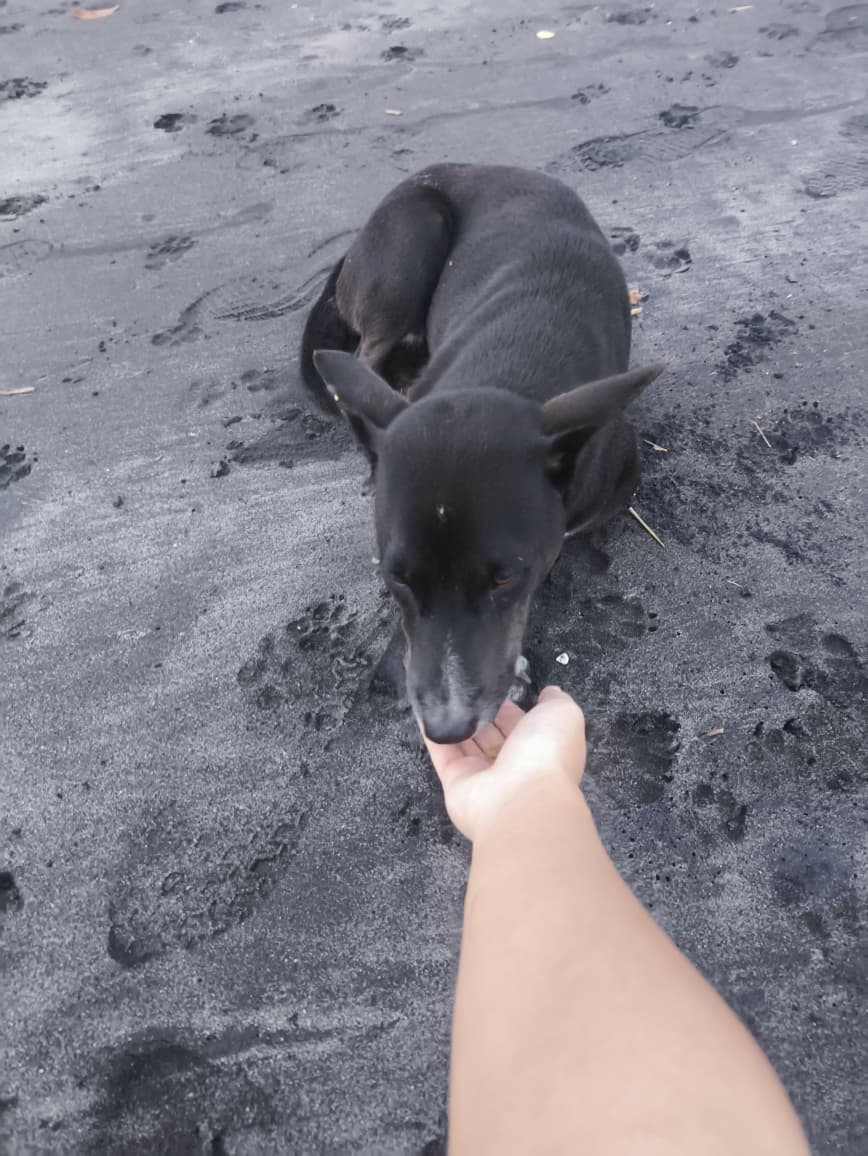
Behind every statistic is one dog. Hungry, sick, or frightened, waiting for help that does not come. Below is what the numbers actually say, because this work should stand on evidence, not on feeling alone. Bali dog overpopulation is the root of it.
The scale of Bali dog overpopulation
Bali has more than 600,000 dogs, around 80 percent of them free-roaming. Rabies, distemper, mange, and parvovirus continue to spread despite government mass vaccination since 2009, because the core problem is overpopulation.
What rabies costs, right now
Bali was rabies free until 2008. The virus arrived on the southern peninsula, most likely on a fishing boat. More than 130 people died and more than 130,000 received post-exposure treatment. Control efforts cost over 17 million US dollars.
Eighteen years later it has not been eliminated. Between January and late September 2025, Bali recorded 49,094 bite cases and 12 deaths, an average of 182 bites every day.
This is not distant. Between 1 January and 20 July 2025, Tabanan recorded 4,440 bite cases, among the highest of any regency in Bali. Buleleng recorded two deaths. Tabanan is where I live. Buleleng is where this round of dogs is waiting.
Why culling has never worked
Between 2008 and 2011, roughly 108,000 dogs were killed in Bali. It did not reduce rabies cases and it did not stop the disease spreading across the island. People moved their dogs out of culled areas and acquired new puppies, replacing what was killed. Culling may have made things worse, because vaccinated dogs were killed and new unvaccinated puppies took their place.
Culling still happens in Bali today, despite strong evidence that it does not manage rabies.

What did work was vaccination. Once better dog-catching methods allowed teams to reach 70 percent vaccination coverage, human rabies deaths fell from around 4.3 and 4.8 per month to 1.1, and by December 2011 all but 30 villages were considered rabies free.
The lesson is not complicated. Killing dogs failed. Reaching dogs worked.
Why sterilisation is the part nobody funds
Vaccination protects a dog for a year. Sterilisation removes the next generation permanently.
The evidence on coverage is clear. Practitioners running catch-neuter-vaccinate-return programmes across Asia aim for 80 to 90 percent coverage inside a defined area, concentrate on sterilising 80 percent of females, and return to the same area repeatedly. Coverage below 70 percent is generally found insufficient for lasting impact. Geographic focus on limited areas is what produces visible results.
That is exactly how this project is built. One village. Every dog in it. Then the next.
Scattered clinic days spread thinly across an island never reach that level anywhere. The dogs that are missed breed the numbers back.
Where the gap is
Coverage in Bali must still reach 70 percent of the dog population to break transmission, and sustaining attention against competing health priorities is difficult. The good organisations here do real work. They are also constrained: by permission, by geography, by the requirement that a village agree first.
I go where those constraints leave dogs behind. The sensitive villages. The places where written permission will never come. I do not wait months. I bring my own vet.
I am not replacing anyone. I am filling the space they cannot enter, which is the same space where the crisis keeps breeding.
What your donation does
Rp 500,000 sterilises and medicates one dog in this round.
Not a projection. Not an estimate. One dog, one surgery, one line in the tracker, photographed and reported to every donor.
That is why this matters.
This is the work AbyssPaws does, dog by dog.
Sources :
Bali Pet Crusaders, dog population and free-roaming rate
Global Alliance for Rabies Control, The Bali Rabies Outbreak
PLOS One, dog population and culling data, Bali and Flores
The Bali Times, 2025 bite and death figures
BPBD Bali, regency-level bite and death data to 20 July 2025
FOUR PAWS International, on continued culling
ICAM Coalition, sterilisation coverage targets in practice
Humane Society International research, on the 70 percent sterilisation claim
WOAH, current vaccination coverage gap in Bali
🐾 Help make this real. AbyssPaws funds sterilisation and rabies vaccination for street and community dogs across Bali, dog by dog, with full transparency. If this article moved you, the best thing you can do is share it. And if you’re able to give, every rupiah goes straight to dogs no one else is paying for. → See how to support AbyssPaws
Leave a Reply