
Slightly checking the clock, a couple of minutes have passed 1:00 AM. My sleep schedule is completely off the charts, my mind restlessly reckoning with everything I have done today. I just saw someone online mention TVT in dogs, and right away, an overwhelming urge to speak out took over me.
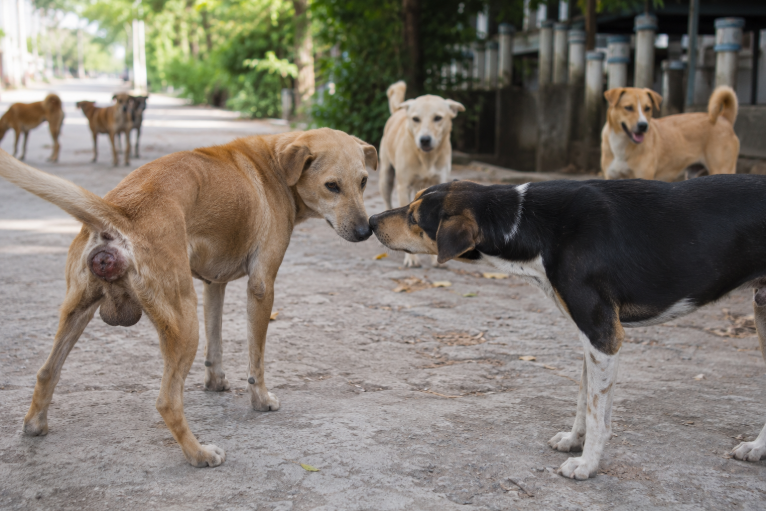
As an independent rescuer, this disease frightens me to my core. The biological reality is terrifying: Transmissible Venereal Tumor (TVT) is literally a parasite cell clone passed from dog to dog. These cancer cells act as the infectious agent itself, behaving like a rogue organ transplant taking over a new body. On the streets, the math is devastating. In stray populations, a single intact, popular male dog with a penile tumor can easily infect dozens of females in a single breeding season. My heart aches for them, and for the pups born into this cycle.
The tragedy is worsened by masked symptoms. Early on, owners and rescuers often mistake TVT in dogs for a severe urinary tract infection (UTI), heat cycle bleeding, or a minor fight wound because the blood drips so rhythmically. To make matters worse, many owners don’t care. Even when they do care, they are often entirely blind, guessing at treatments that don’t work, left with absolutely no clue what to do. When you finally understand what needs to be done, you run face-first into a wall: no resources, no money, and no guidance on what, where, or how to treat it. Many vets won’t answer a text if they know you cannot pay. The bottom line is always the same; the dogs must bear the pain, again. As if they aren’t already miserable enough living on the streets, where everyday is another battle for survival.

While it cannot pass to humans, TVT in dogs easily hitches a ride on a rescuer’s gear. If an open wound or mucous membrane on a healthy shelter dog touches fresh, infected blood from a shared crate or a contaminated, gloved hand, the disease transmits. The death cycle begins without anyone even noticing.
We know what it is, and we know how it spreads. But as rescuers, we have to look deeper to survive this. Why is this happening only to dogs? Why are humans completely safe from it, and most importantly, how do we fight this when we have absolutely zero resources?
The Biology of TVT in Dogs: Why Them, and Why Not Us?
TVT in dogs is an evolutionary anomaly. It is one of the oldest continuous cancer cell lines alive, having mutated in an ancient canine thousands of years ago. It only affects canines because the tumor cells require specific dog proteins, cell shapes, and tissue types to feed and anchor themselves.
Humans are entirely protected by two impenetrable biological walls. First, the Species Barrier: TVT cells have a completely different chromosomal count than humans, making them look instantly alien to our bodies. Second, our Major Histocompatibility Complex (MHC); our immune security system, flags the dog cell the second it enters a human scratch or wound, deploying T-cells to aggressively destroy it within minutes.
Dogs, however, fall victim because TVT cells are masters of disguise. When they invade a new dog, they throw on an “invisibility cloak” by hiding their identifying markers. The host dog’s immune system simply doesn’t realize it is being invaded until the tumor is already massive.
Treating TVT in Dogs: The Zero Budget Survival Guide
When you are juggling bills, family, debts, and have no vet support, you cannot afford to guess. If you suspect TVT in dogs, here is the survival protocol:

- The Weapon is Bleach (Cost: Near Zero): TVT cancer cells are fragile outside the body. Mix 1 part household bleach to 32 parts water. Scrub every crate, car seat, floor, and shoe. Never reuse a towel or glove between dogs if there is any active bleeding. Physical isolation prevents the “death cycle” from spreading to your other rescues for free.
- The Medication is Generic, the Delivery is Not: The gold standard cure is vincristine sulfate, an old human chemotherapy drug. The vial itself is cheap. What you are paying for is a trained hand on the syringe, and that part is not negotiable: vincristine destroys tissue if it leaks outside the vein, and the usual outcome is amputation. Your job is not to replace the vet. It is to make the vet cheap.
- Move the Dog, Not the Vet: Most refusals are about travel time, not the procedure. The injection takes fifteen minutes. Build your protocol around bringing the dog in on a fixed weekly slot instead of asking anyone to come to you. A crate, a car, and a standing appointment turns a refused call-out into a routine consult.
- Strip the Bill to the Injection: Quarantine, feeding, wound cleaning, transport, and daily monitoring are all things you already do. Say so explicitly when you negotiate: “I will handle everything except the fifteen-minute IV push. I need a price for that alone, weekly, four to six weeks.” Removing boarding and handling is where the cost actually collapses.
- Keep Your Own Records: Weight before every dose, tumor photographs weekly, appetite and gum color daily. A rescuer who arrives with a written chart gets a shorter, cheaper appointment, and a vet who sees competence starts treating you as a colleague rather than a liability.
- Crowdfund with Visual Proof: Because TVT in dogs is highly visual and has a remarkably high cure rate (often 90%+ recovery within 4 to 6 weeks of treatment), it is one of the most successful conditions to fundraise for. Showing the stark, honest reality of the tumor; paired with the fact that a cure is highly attainable, frequently drives community donations faster than chronic, untreatable illnesses.
Sterilisation is the only thing that stops the next twenty. TVT in dogs spreads through mating and direct tumour contact, so every dog you sterilise is permanently out of the transmission chain. Your bleach discipline, your isolation protocol, and your sterilisation work are not the consolation prize for lacking a clinic. They are the intervention with the larger number attached.
Support AbyssPaws: Save a Bali Street Dog and Read Our 100% Transparency & Financial Reports
In Loving Memory
They tell us we are naive for caring more about the animals than the politics of people. But they don’t see the empty food bowls, the endless sleepless nights, or the silent, rhythmic dripping of blood on a concrete floor. They didn’t hold Chocolate, Milky, Oreo, Mily, Teacup, Chocolate Jr., and Milky Jr. as they took their final breaths.
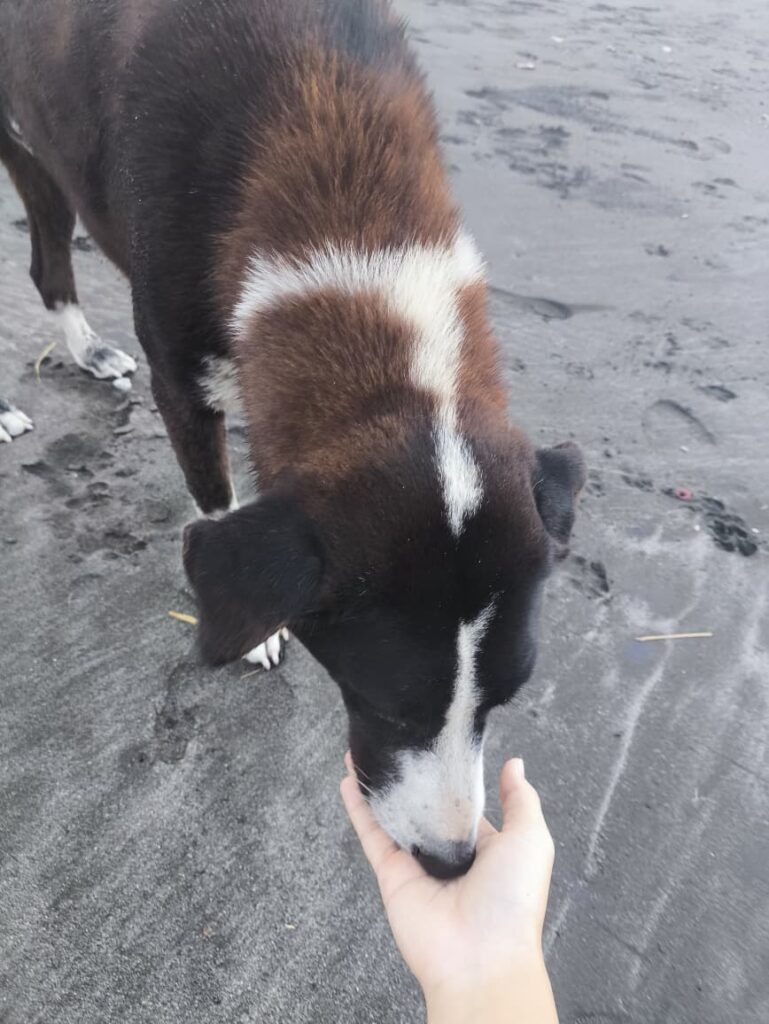
I lost my babies to the dark, blind guessing game of a disease I didn’t fully understand, trapped behind the closed doors of expensive veterinary care. I had to cremate some when I scraped together the money, and bury the rest in silence, carrying a heartbreak that felt too heavy to bear.
But their deaths will not be in vain. This guide is written in their memory, paid for with my tears, so that the next independent rescuer standing over a bleeding dog at 1:00 AM doesn’t have to guess. We see you. We know the battles you fight when you have zero resources. You are not alone, and together, we can break this cycle.
Unsure how to protect your other rescues from contamination? Read our step-by-step Rescue Isolation Protocols for TVT Cases.
Sources:
Treatment protocol and dosing from the Merck Veterinary Manual entry on canine transmissible venereal tumour. Cure rates and chemoresistance data from a systematic review of CTVT treatment practices from 1950 to 2023 and a comparative study of vincristine protocols in CTVT cases.
Leave a Reply